How to Choose the Right Dumpster Size
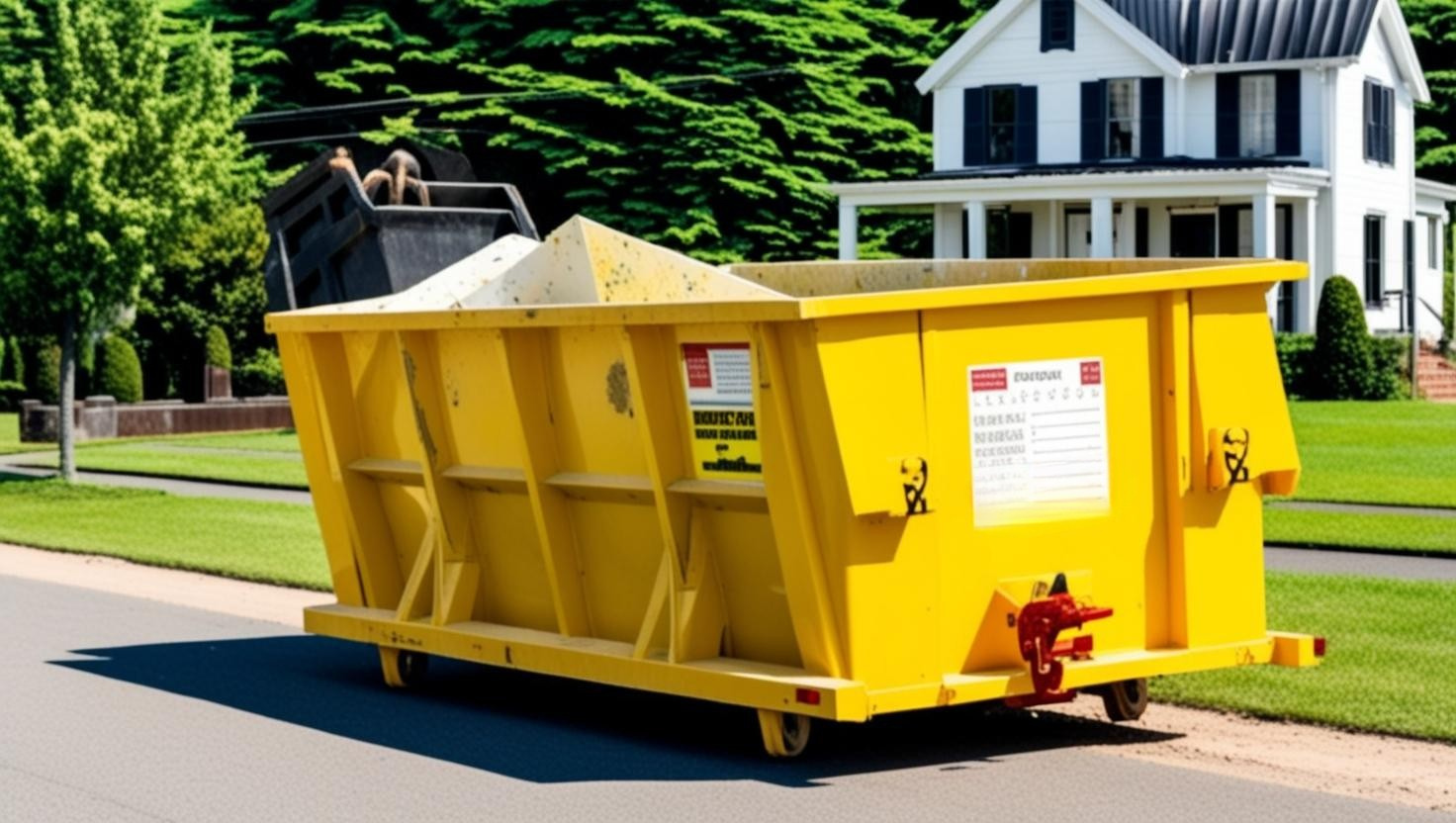
As you organize a cleanup, upgrade, or site project, a frequently ignored step is choosing the appropriate dumpster size. Often the work takes priority while waste management is forgotten, creating risks and inefficiencies. Picking a container that is too small leads to overflow, but one that is too big wastes available area. Effective waste control begins with selecting the right container, making sure debris is managed cleanly and efficiently.
At Junk Bee Gone, we know how essential this choice is to the outcome of your work. A dumpster is more than just a bin for disposal; it is a critical tool for keeping worksites clean, orderly, and hazard-free. Assessing your disposal needs ensures that progress continues without unnecessary interruptions. Choosing correctly more info minimizes clutter and enhances safety for all participants. With the right approach, selecting a dumpster becomes a strategic choice rather than a guess.
Reviewing the Size of Your Project
To begin selecting a dumpster, it is important to evaluate the full scope of the job. Jobs may range from minor cleanouts to major construction work. Waste volume is influenced by both the nature of the job and the types of materials used. Debris from roofing, household items, furniture, or yard waste varies in quantity and density. Looking at the complete range of waste makes it easier to choose a container that fits properly.
The length of your project also matters, because extended work produces additional debris. In projects with stages such as teardown and rebuilding, debris volume grows differently at each step. These considerations ensure the dumpster will handle the total load smoothly. Such planning helps avoid slowdowns and keeps additional pickups to a minimum. In the end, considering both scope and duration gives you a more accurate match for your waste disposal needs.
How Waste Materials Influence Container Selection
The nature of waste varies, making it important to identify material types before choosing a dumpster. Weighty items such as concrete and soil differ greatly from lighter materials like furniture or paper. The density and bulkiness of materials affect how much space is actually needed, even if the weight does not seem overwhelming. Misjudging this can lead to overloading or inefficient use of container space. Understanding waste type allows for efficient container use.
Recognizing waste types early allows you to select a more suitable container. Consider whether your cleanup will involve mainly household clutter, yard debris, or construction rubble. Every material type comes with distinct factors that affect the best container. Knowledge of material types promotes smarter planning and efficient use of dumpster space. Proper preparation creates balance between debris type and dumpster size, keeping the process smooth.
Placement and Space Planning for Dumpsters
Where the dumpster will be placed is another important factor in making the right choice. The container’s location must allow easy service access and convenience for workers. Oversized containers on smaller sites often create practical problems. On the other hand, having a dumpster that is too small may require additional moves or adjustments that can slow down your progress. A balance between available space and container size is crucial for efficiency and safety.
Consider the layout of driveways, open zones, or alleys when choosing placement. Measuring available space before making a selection prevents surprises during delivery. It is also essential that the container is placed to avoid blocking access routes or creating hazards. Good positioning guarantees ease of use during the entire job, keeping disposal efficient. Effective space use contributes to steady workflow and fewer disruptions.
Determining Disposal Volume Effectively
Correctly assessing how much debris your work will create is crucial when selecting the right container. It is common for people to misjudge debris buildup, often leading to overflow and added hassle. A systematic approach works best, beginning with an inventory of items or materials you plan to dispose of. Breaking the project into stages and calculating waste from each step can provide a more realistic picture. This careful planning minimizes surprises and ensures that your container can handle the full workload.
Thinking of the waste as truckloads can simplify your estimate of dumpster needs. While it is easy to think that waste will take up less space, bulkier items like furniture or large boxes can consume capacity faster than expected. Overestimating slightly is often safer than underestimating, as it provides a cushion for unplanned items. By thoroughly reviewing your needs, you will choose a dumpster that works smoothly without setbacks. Such foresight ensures a steady workflow and prevents problems with insufficient container space.
Advantages of Selecting the Correct Dumpster
Picking an appropriate dumpster size gives advantages that extend past basic disposal. A properly sized container minimizes clutter on the job site, which promotes both safety and efficiency. Crew members can dedicate more time to their actual work instead of relocating debris. This organization contributes to a more professional workflow, where tools and workspaces remain clear of unnecessary obstructions. In the end, having the correct dumpster leads to smoother work and reduced risks.
Another benefit is the reduction of unnecessary hauling or extra pickups. When the dumpster is large enough for all debris, the work continues without interruptions. It also supports better cost-effectiveness, since multiple hauls can be avoided. The biggest gain is eliminating stress and keeping your project from being slowed by waste problems. Confidence in your container size drives a more organized workflow.
Working With Professionals for Guidance
When in doubt about the right dumpster size, working with experienced professionals is the best way to ensure success. They can assess your project needs and provide recommendations based on years of handling different types of waste. Experienced providers match containers with work demands to prevent wasteful decisions. Their insight is especially valuable for first-time renters or for those handling unusual types of debris. Guidance from specialists makes selection easier and more accurate.
Junk Bee Gone has guided many clients in choosing the right container for their requirements. Our team listens carefully to your project details, taking into account both volume and material type. We then suggest an option that balances convenience and practicality, helping you focus on your project instead of worrying about waste. With our support, you gain confidence that your selection is supported by expertise. Relying on professionals ensures dependable and hassle-free disposal.
Smart Planning for Dumpster Selection
Picking the proper dumpster is a key factor in ensuring waste is managed effectively. By considering the scope of your work, the type of debris, available space, and the estimated volume, you can make a more informed decision. These steps help ensure efficiency, safety, and organization from beginning to end. Thoughtful selection prevents avoidable obstacles and keeps the job running smoothly. Smart sizing decisions promote dependable and confident work flow.
At Junk Bee Gone, we are dedicated to helping clients make smart decisions about their waste disposal needs. With our knowledge, we can point you to a container that aligns with your job’s requirements. From household jobs to renovation and construction, our solutions keep waste handling reliable. The correct dumpster lets you dedicate full attention to achieving project completion. We aim to deliver reliable service that makes waste handling easier and more effective.